
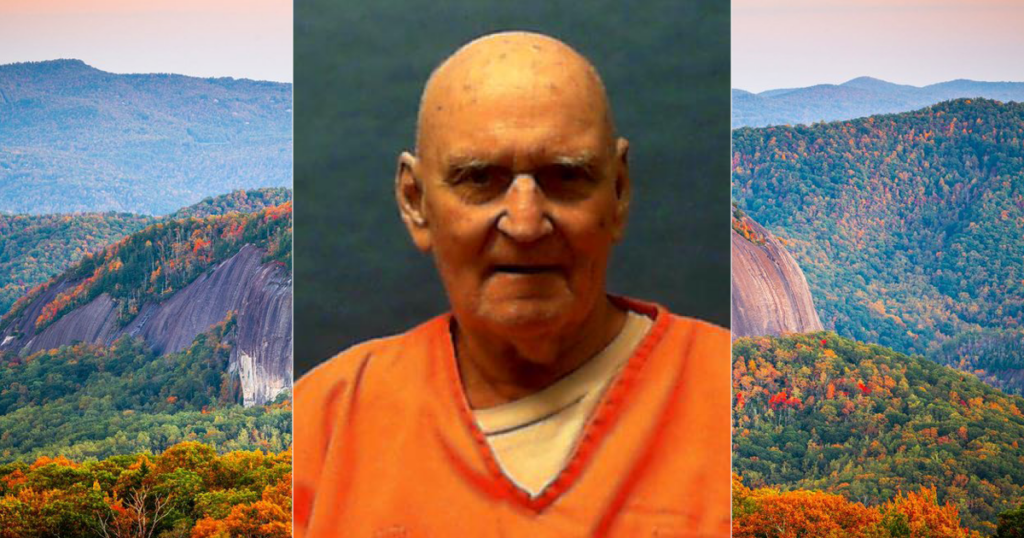
The allure of the National Forest is rooted in its quiet grandeur. Millions of Americans seek out these sprawling landscapes every year to escape the frantic pace of modern life, finding solace in the rhythmic crunch of leaves underfoot and the expanse of towering trees. We venture into these spaces with the implicit trust that we are stepping into a sanctuary—a place where the only dangers are steep trails, erratic weather, or the occasional bramble. Yet, for a select few, the sanctuary became a hunting ground.
Gary Hilton, famously dubbed the “National Forest Serial Killer,” shattered that illusion of safety. His crimes did not occur in the shadows of an urban alleyway or the anonymity of a crowded metropolis. Instead, he chose the pristine, remote trails of the Southeastern United States, transforming peaceful wilderness corridors into scenes of unfathomable horror.
A Trail of Devastation
The scope of Hilton’s predation was as calculated as it was cruel. He demonstrated a disturbing ability to blend into the hiking community, often appearing as a fellow traveler before turning his gaze toward the vulnerable.
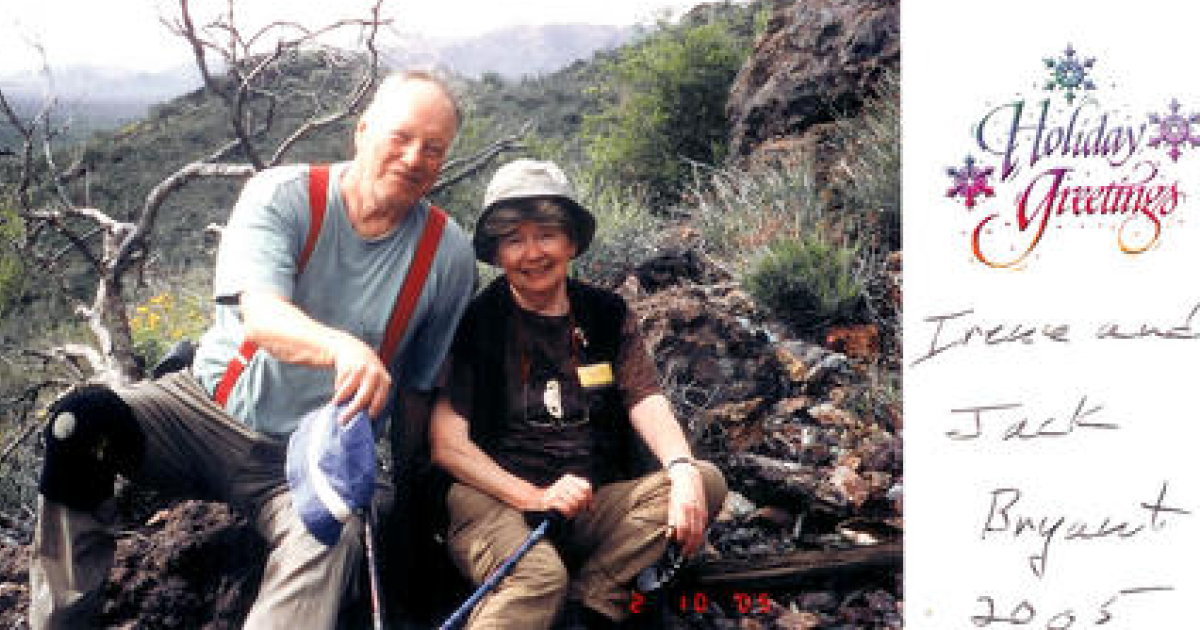
John and Irene Bryant, a devoted couple in their 80s, were beloved by their community in Henderson County, North Carolina. They were experienced hikers who sought the beauty of the Pisgah and Nantahala National Forests, never suspecting that their final trek in October 2007 would end in such senseless violence. John, killed by a single gunshot, and Irene, who succumbed to blunt force trauma, were targeted simply for being present in the wrong place at the wrong time.
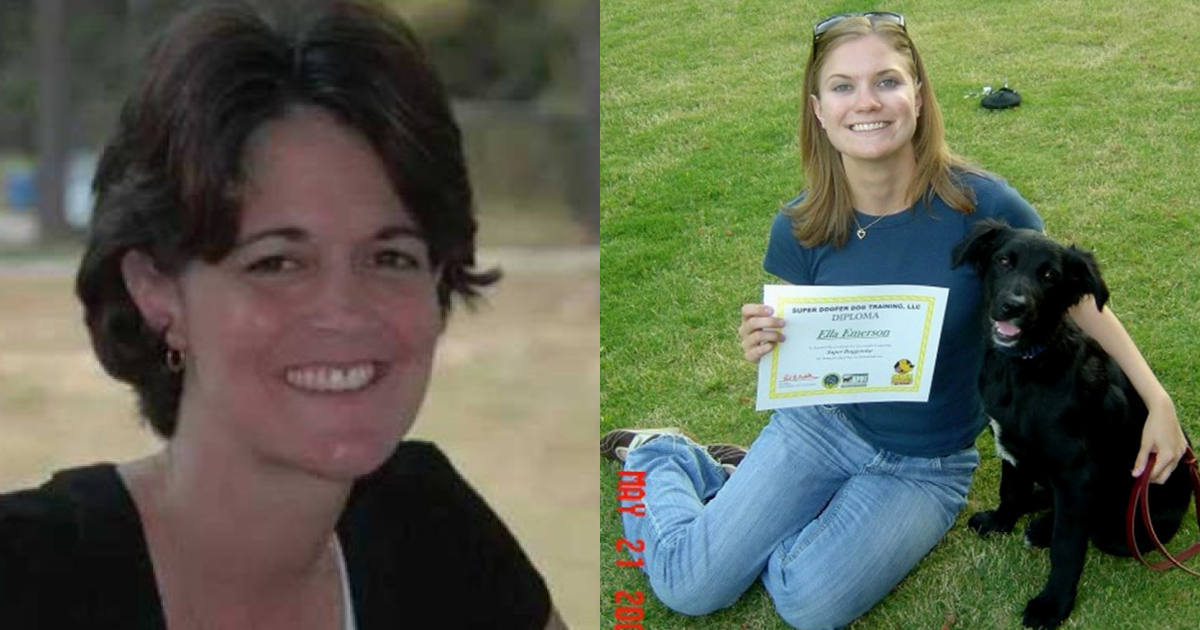
Cheryl Dunlap, a 46-year-old nurse and Sunday School teacher in Florida, also fell victim to Hilton in the Apalachicola National Forest. She disappeared on December 1, 2007, and her remains were discovered on December 15. A dedicated healthcare professional known for her compassion, her disappearance and subsequent murder left a void that her family and community struggled to comprehend.
Meredith Emerson, only 24, was a bright, vivacious University of Georgia graduate. On New Year’s Day 2008, she was hiking with her black Labrador retriever, Ella, on Blood Mountain in Georgia when she encountered Hilton. Her abduction sparked a massive, desperate search effort that galvanized the nation. Despite her courageous struggle—a fight that Hilton later admitted lasted for days—she ultimately lost her life to the same man who had claimed the lives of others across state lines.
These individuals were not merely statistics or news headlines; they were people with dreams, families, and passions for the outdoors. Their stories serve as a poignant reminder that the serenity of the forest can be exploited by those who view its isolation as an opportunity for darkness.
While Hilton was formally convicted of these four homicides, the geographic range of his activities across the Southeast left many questioning how a drifter could move so freely and claim so many lives before finally being stopped. Consequently, investigators examined his movements for links to other disappearances. Notably, Michael Scot Louis, a 27-year-old who disappeared in Florida in November 2007, and 26-year-old Rossana Miliani, who vanished in North Carolina in December 2005, were both investigated for potential connections to Hilton. In both instances, Hilton was considered a person of interest due to his presence in the area and the nature of the crimes, but he was never formally charged or convicted of these disappearances. These cases remain stark reminders of the long, often fragmented trail left by a transient predator whose full history may never be entirely known.
The Investigation and Capture
The hunt for Hilton was an arduous, cross-jurisdictional effort that redefined how authorities approach crimes in wilderness areas. Investigators faced a daunting reality: searching for evidence in dense National Forests is logistically overwhelming. These environments are characterized by vast, rugged topography, thick foliage, and limited surveillance infrastructure. Unlike urban crime scenes, which often benefit from nearby security cameras and high witness density, wilderness crime scenes are frequently discovered days or even weeks after the fact, allowing the elements to degrade physical evidence.
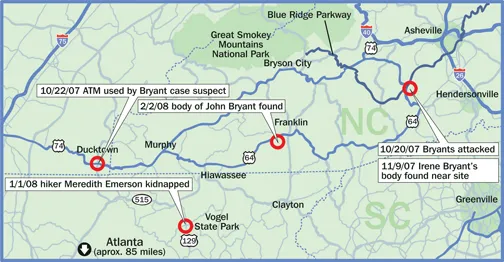
Law enforcement teams had to coordinate across state lines, a process that was slow and fraught with complications during the early stages of the investigation. The vastness of the terrain meant that traditional grid searches were labor-intensive and often inconclusive. Detectives were forced to rely on more subtle investigative threads. They painstakingly mapped the timing of reported sightings, looking for patterns that linked disparate incidents. They also utilized witness accounts—individuals who had seen a man matching Hilton’s description in specific parking areas or along popular trailheads.
Forensic techniques proved vital when physical traces were finally uncovered. Investigators utilized DNA profiling to connect Hilton to specific items of clothing and evidence found in his abandoned vehicle. The process was painstaking, requiring the integration of forensic data from multiple jurisdictions to build a cohesive case. Authorities also examined blood-stained items recovered from trash bins, a discovery that provided the definitive link to his victims and shattered his attempts at anonymity. His eventual capture on January 4, 2008, followed the discovery of this evidence and the subsequent realization that the local drifter was the central figure in a multi-state investigation.
Following his conviction, Hilton spent years navigating the legal system, receiving multiple life sentences in Georgia and North Carolina, alongside a death sentence in Florida. However, his life of violence ended in the sterile environment of a prison cell. He passed away on November 15, 2023 of natural causes, while incarcerated, at the age of 82. For those interested in the official record of his incarceration history, you can review it via the Florida Department of Corrections Offender Network.
Reflections on Safety in the Wild
The case of Gary Hilton is a harrowing chapter in our history, but it should not deter us from enjoying the great outdoors. Rather, it demands greater vigilance. Whether you are a solo trekker or part of a group, safety begins long before you reach the trailhead.
- Share Your Itinerary: Always provide a detailed plan of your intended route and expected return time to a reliable contact who is not on the trip.
- Leverage Technology: Carry a personal locator beacon or a satellite messenger, especially when traveling in areas without cellular service.
- Situational Awareness: Trust your instincts. If a person or situation feels off, remove yourself from the area immediately. There is no social obligation to engage with strangers in remote settings.
- Stay Informed: Check local park and forest service alerts for any recent suspicious activity or safety warnings before you head out.
As we continue to explore, let us honor the memories of those we have lost by remaining vigilant, prepared, and deeply respectful of the environment and the people who share it. The wilderness remains a place of beauty, but it is our responsibility to ensure we navigate it with eyes wide open.